Book your Hotel now...

Klook.com

Thursday, June 5, 2025

Key Features of RA 11983 (New Philippine Passport Act)

Republic Act No. 11983, enacted on March 11, 2024, introduces significant reforms to the Philippine passport system, enhancing efficiency, accessibility, and security. This law repeals the Philippine Passport Act of 1996 (RA 8239) and aligns passport services with modern technological advancements and international standards.

1. Digitalization and Streamlined Application Process

*Online Application Portal: The Department of Foreign Affairs (DFA) is mandated to establish an online portal and electronic one-stop shop for passport applications, simplifying document submission and reducing in-person visits.

*Offsite and Mobile Services: The DFA can provide passport services beyond consular offices through offsite and mobile units, increasing accessibility for Filipinos in remote areas.

2. Enhanced Validity and Ownership Provisions

*Passport Validity: Regular passports are valid for 10 years for adults and 5 years for minors under 18. The DFA may issue passports with shorter validity when necessary for national interests.

*Government Ownership: Passports remain the property of the Philippine government and cannot be confiscated by any entity other than the DFA. Unauthorized withholding is subject to penalties.

3. Inclusive Services and Special Lanes

*Special Lanes: The law mandates the establishment of special processing lanes for senior citizens, persons with disabilities, pregnant women, minors aged seven and below, solo parents, overseas Filipino workers, and individuals with urgent cases.

*Support for Muslim Pilgrims: The DFA is tasked with accommodating Muslim Filipinos participating in the annual Hajj pilgrimage, as coordinated with the National Commission on Muslim Filipinos.

4. Reversion to Maiden Name

*One-Time Reversion: Married women may revert to their maiden names upon passport renewal, provided all other identification documents reflect the maiden name. This reversion is allowed only once.

5. Strict Penalties for Passport-Related Offenses

*Illegal Withholding: Unauthorized confiscation or withholding of passports is punishable by imprisonment of 12 to 20 years and fines ranging from ₱1 million to ₱2 million.

6. Passport Revolving Fund

*Service Fees: The DFA may collect service fees up to 30% of regular passport fees for special services, which will constitute a Passport Revolving Fund. This fund supports the improvement of passport and consular services, subject to auditing and congressional review.

RA 11983 represents a comprehensive overhaul of the Philippine passport system, aiming to provide more efficient, secure, and accessible services to Filipino citizens.

Link: Republic Act No. 11983 (The New Passport Law)  

Wednesday, June 4, 2025

Bantay Farmers ARB Cooperative: Driving Food Security and Economic Growth under DAR’s PAHP

Solana, Cagayan — The Bantay Farmers Agrarian Reform Beneficiaries (ARB) Cooperative in Solana, Cagayan, has emerged as a vital force in the fight against hunger and poverty through its active participation in the Department of Agrarian Reform’s PartnershipAgainst Hunger and Poverty (PAHP) program.

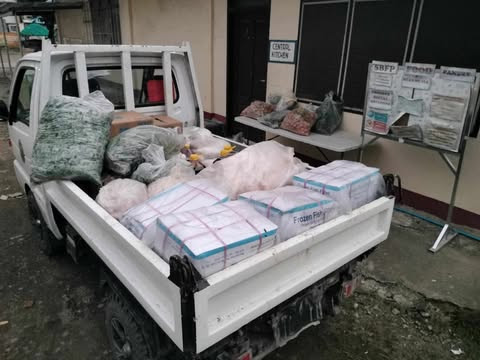
In January 2024, the cooperative received a multicab utility vehicle valued at ₱299,500 from the Department of Agrarian Reform provincial Office of Cagayan (DARPO-Cagayan). This provision, under the PAHP and Climate Resilient Farm Productivity Support (CRFPS) program, aims to bolster the cooperative's logistical capabilities, facilitating the efficient transport of agricultural products and enhancing market access for its members.

The PAHP initiative, a collaborative effort among various government agencies including the DAR and the Department of Social Welfare and Development (DSWD), seeks to address food insecurity and poverty by integrating community-based organizations like the Bantay Farmers ARB Cooperative into institutional food supply chains. Through this program, cooperatives are linked to government feeding programs and other institutional buyers, ensuring a stable market for their produce and contributing to the nutritional needs of vulnerable populations.

Since its inception, the PAHP program has significantly impacted agrarian reform beneficiary organizations (ARBOs) nationwide. As of April 2024, these organizations have collectively earned over ₱2.3 billion by supplying agricultural products to institutional markets. This success underscores the program's effectiveness in enhancing the livelihoods of smallholder farmers and promoting sustainable agricultural practices.

In Solana, the local government's support for agricultural development is evident through initiatives like the Rice Farmers Financial Assistance (RFFA) Distribution Caravan and the Kadiwa ng Pangulo program. These programs provide financial aid and direct market access to farmers, complementing the efforts of cooperatives like Bantay Farmers ARB Cooperative in strengthening the local agricultural economy.

The Bantay Farmers ARB Cooperative's active engagement in these programs exemplifies the potential of grassroots organizations to contribute meaningfully to national goals of food security and poverty alleviation. Through continued collaboration with government agencies and sustained community involvement, the cooperative is poised to further its impact on the well-being of its members and the broader community.


Sunday, June 1, 2025

Cagayan Valley’s Agrarian Reform Beneficiaries Shine at 'The Grand Bagsakan in Manila

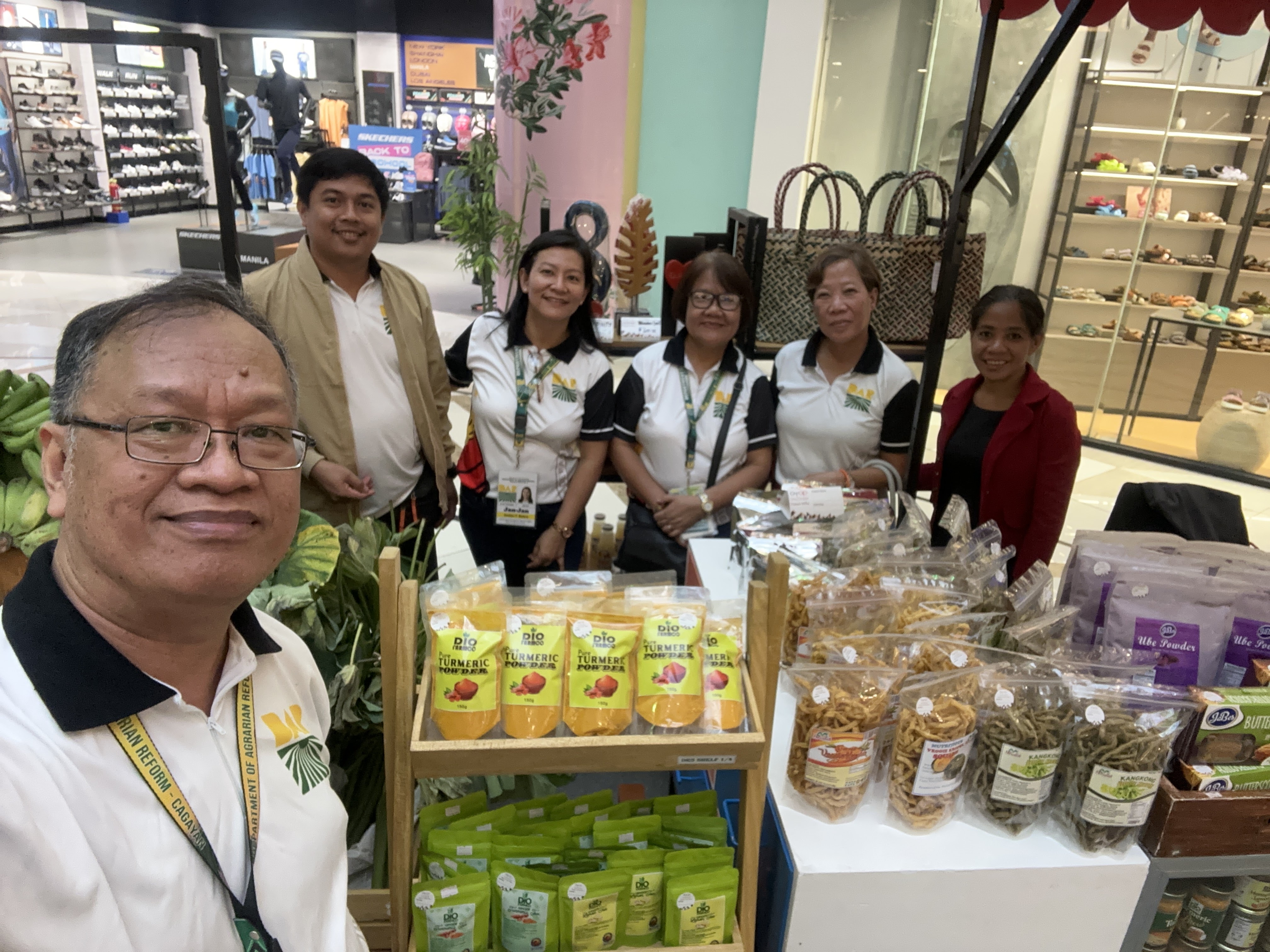
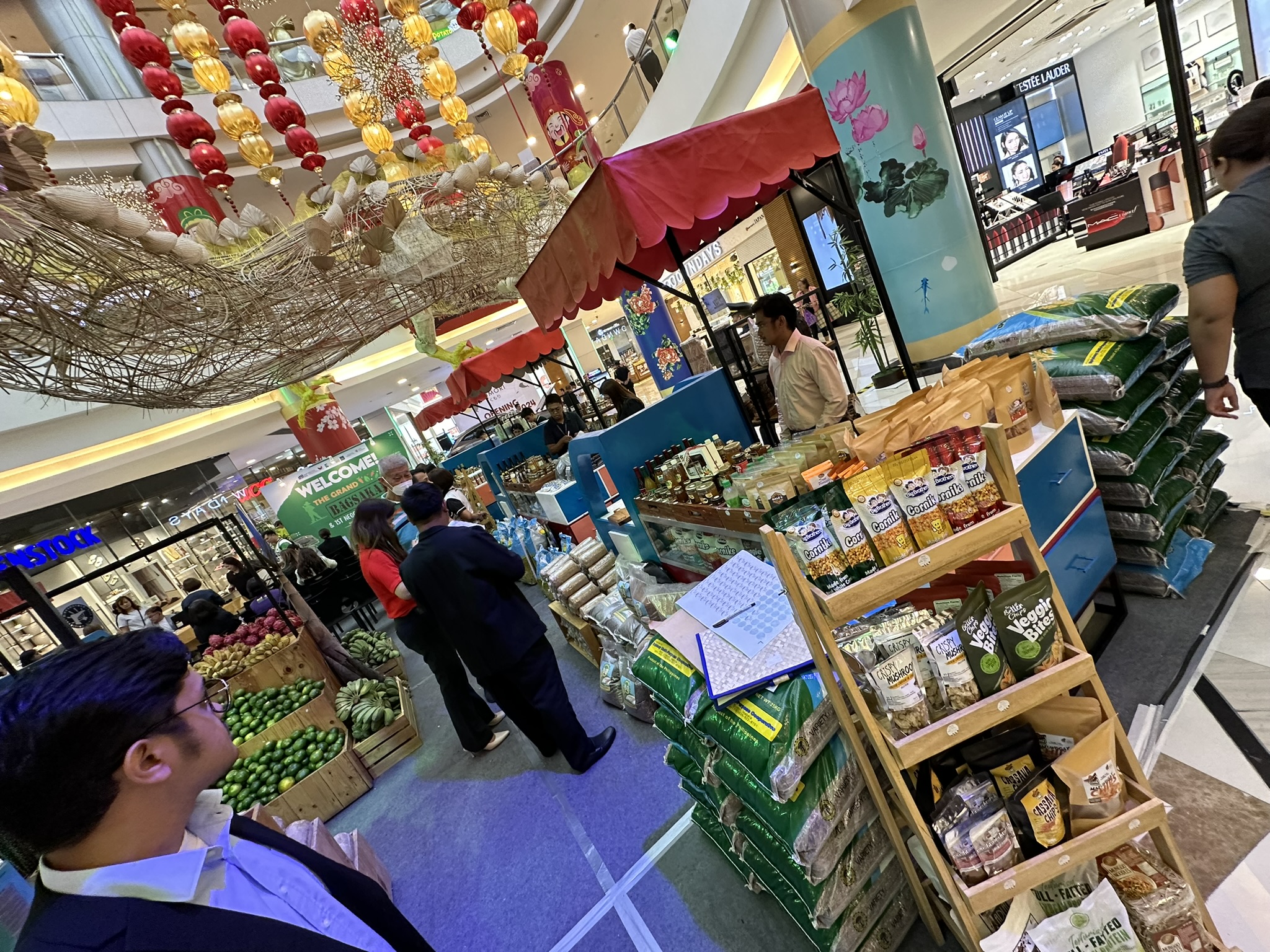
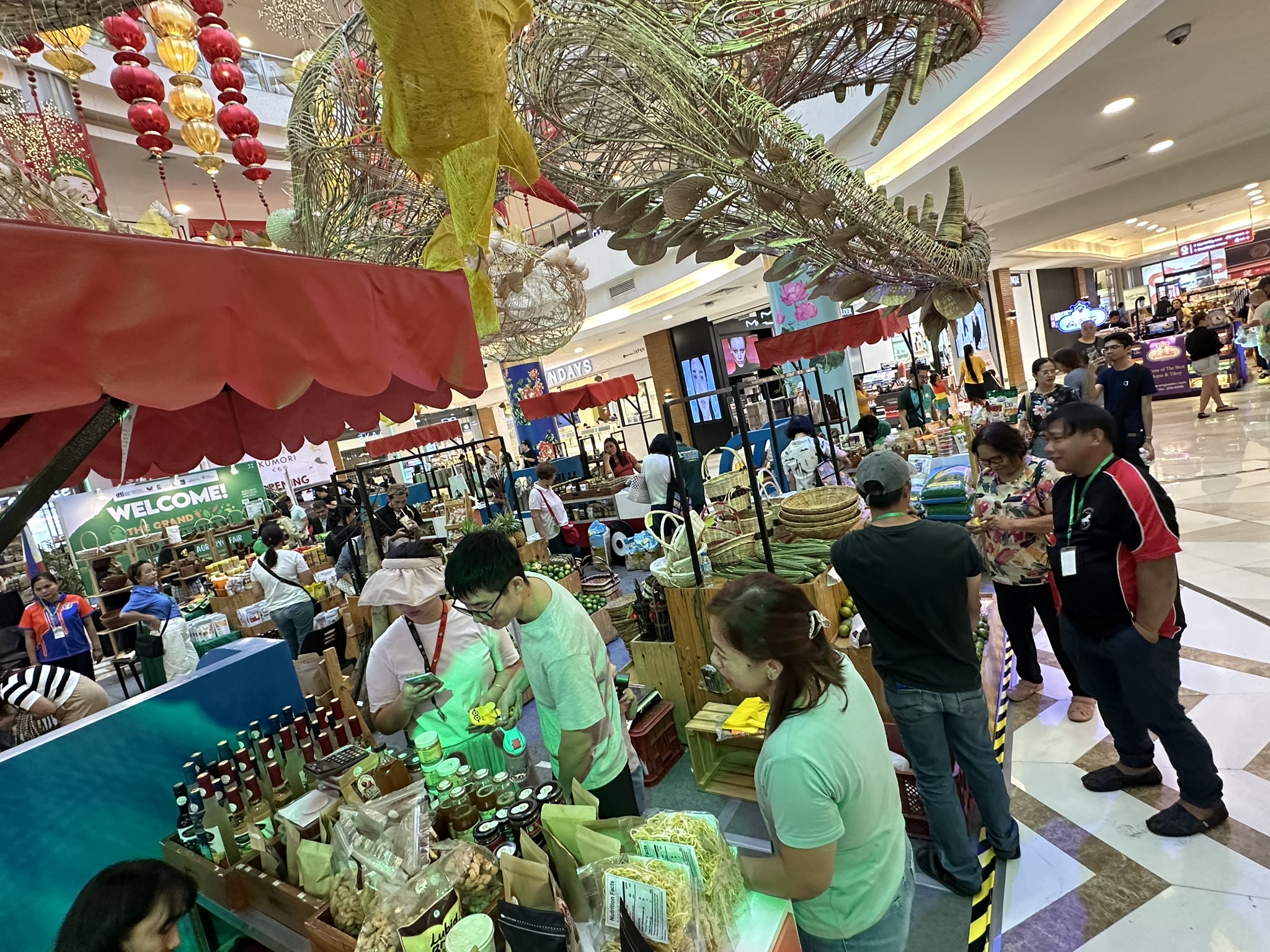
MANILA, Philippines – The heart of Binondo pulsed with the vibrant energy of Cagayan Valley's agricultural heritage as "The Grand Bagsakan" and the inaugural Negosyo Agraryo Fair unfolded on June 19, 2024, at Lucky Chinatown Mall's Ground Atrium and 2nd Floor Railings.

This landmark event spotlighted the rich array of products from Agrarian Reform Beneficiaries' Organizations (ARBOs) of Region II, also known as the Cagayan Valley region. Organized collaboratively by the Department of Agrarian Reform (DAR) and the Department of Trade and Industry (DTI) Region 2, the fair aimed to bridge the gap between rural producers and urban consumers, providing ARBOs with a platform to showcase and sell their goods directly to Metro Manila's bustling market.

A Cornucopia of Regional Delights

Visitors were treated to a diverse selection of fresh produce, including highland vegetables like carrots, cucumbers, and chayote, as well as lowland staples such as tomatoes and eggplants. The fair also featured an assortment of processed goods: the region's renowned chicharabao (crispy carabao skin), milk candies, and various non-food items reflecting the rich cultural tapestry of Cagayan Valley.

Empowering Local Enterprises

The event brought together 63 participants, with 30 representing the One Town One Product (OTOP) program and 33 hailing from the Comprehensive Agrarian Reform Program (CARP). These participants had undergone extensive training and seminars to enhance their entrepreneurial skills, ensuring they were well-prepared to engage with a broader market and seize new business opportunities.

Institutional Support and Market Expansion

The significance of the fair in expanding market access for Micro, Small, and Medium Enterprises (MSMEs) and local farmers is part of ongoing efforts to provide wider market opportunities for MSMEs and local farmers, allowing them to introduce their products to Metro Manila and beyond.

The fair also attracted institutional buyers, further amplifying the potential for sustained business relationships and market growth for the participating ARBOs.

Specifically, Promoting Cagayan Valley agrarian reform beneficiaries' (ARBs) products in Metro Manila serves several important economic, social, and developmental goals:

1. Expanding Market Access

Cagayan Valley is an agricultural powerhouse, but its local market is limited. Bringing ARBs' products to Metro Manila — the Philippines’ largest consumer base — allows farmers to:

  • Sell in higher volumes.

  • Command better prices.

  • Reduce reliance on middlemen.

This helps ARBs generate more income and scale their agribusinesses sustainably.

2. Enhancing Economic Inclusion

Agrarian reform aims to empower smallholder farmers and rural communities. Promoting their goods in urban centers like Manila:

  • Levels the playing field between rural producers and large agri-corporations.

  • Brings marginalized farmers into the mainstream economy.

  • Showcases that ARBs can be agri-preneurs, not just producers.

3. Supporting Food Security and Localization

Manila relies heavily on rural regions like Cagayan Valley for food. Highlighting these producers:

  • Strengthens regional food systems.

  • Encourages urban consumers to support local and traceable food sources.

  • Reduces supply chain risks by promoting direct-from-farm sourcing.

4. Fostering Product Recognition and Branding

Many ARBOs produce high-quality but underrecognized products. Exposure in Metro Manila helps:

  • Build product awareness and brand identity.

  • Attract partnerships with institutional buyers, hotels, restaurants, and retailers.

  • Set the stage for future exports or expansion.

5. Encouraging Investment and Policy Support

Visibility in the capital often draws attention from:

  • Policymakers and legislators.

  • NGOs and development partners.

  • Investors looking for inclusive business models.

This exposure can unlock more funding and support for regional agribusinesses.

6. Strengthening the Agrarian Reform Program

Ultimately, showcasing ARB products in Manila validates the long-term vision of the Comprehensive Agrarian Reform Program (CARP). It proves that:

  • Land reform can lead to viable rural enterprises.

  • Small-scale farmers can compete in national markets.

  • With the right support, agrarian reform beneficiaries can thrive.

Also, promoting Cagayan Valley ARBs' products in Metro Manila isn't just about selling produce — it's about connecting economies, reducing inequality, and empowering rural communities through inclusive development.

A Model for Sustainable Development

The success of "The Grand Bagsakan" and the Negosyo Agraryo Fair underscores the potential of collaborative efforts between government agencies and local communities in promoting sustainable economic development. By providing a platform for ARBOs to showcase their products, the event not only celebrated the agricultural richness of Cagayan Valley but also highlighted the importance of empowering rural communities through market integration.

As the fair concluded, the enthusiasm and positive feedback from both vendors and consumers signaled a promising future for similar initiatives aimed at fostering inclusive growth and bridging the urban-rural divide.


FEATURED POST

Cagayan ARBO joins 18th National Organic Agriculture Congress (NOAC)

Bacolod City  - San Mariano Agrarian Reform Cooperative , an Agrarian Beneficiaries Organization (ARBO) from Lallo, Cagayan, along with othe...